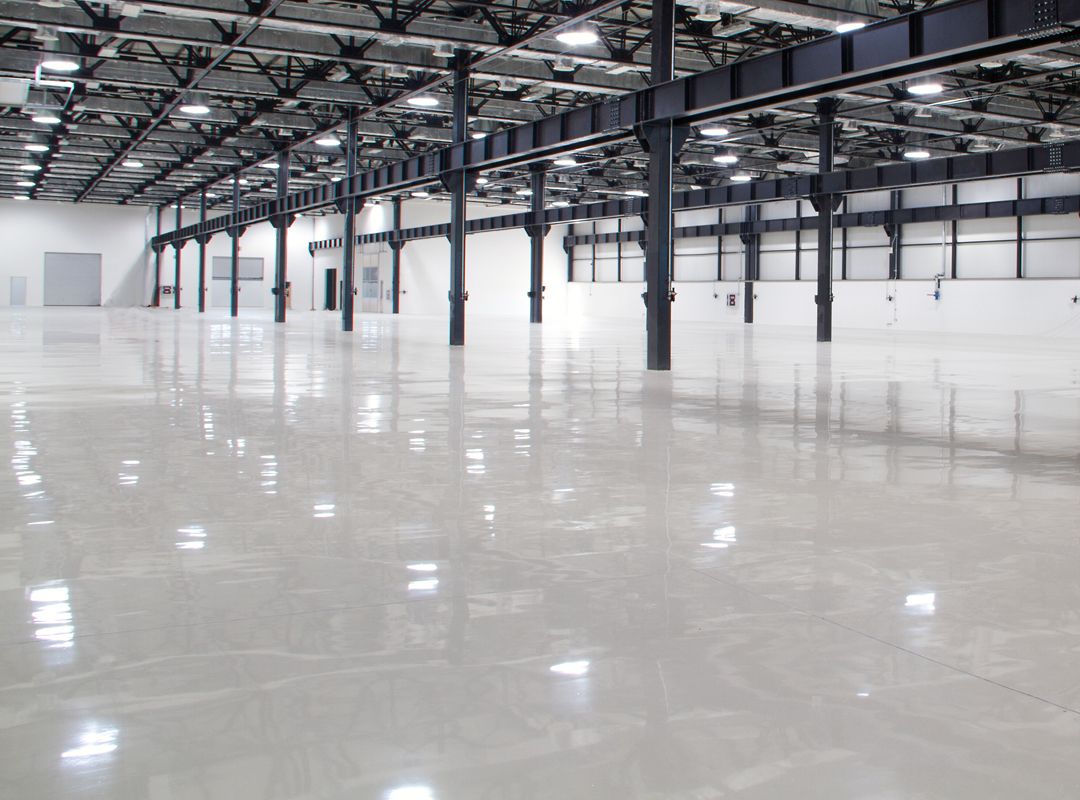
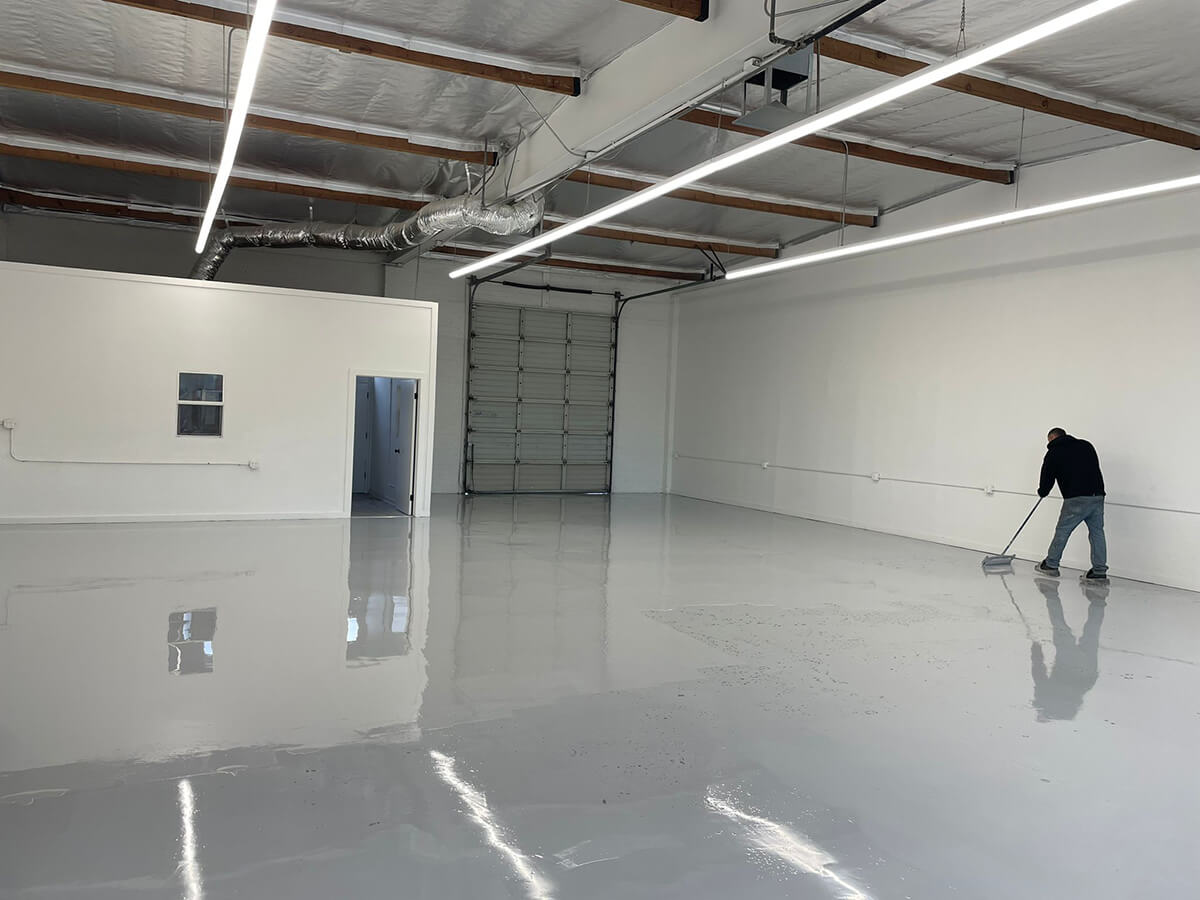
Almost every facility manager we meet has been told that epoxy is the industrial standard. For a long time that was true. Epoxy is inexpensive, widely available, and every flooring contractor in the country knows how to roll it out.
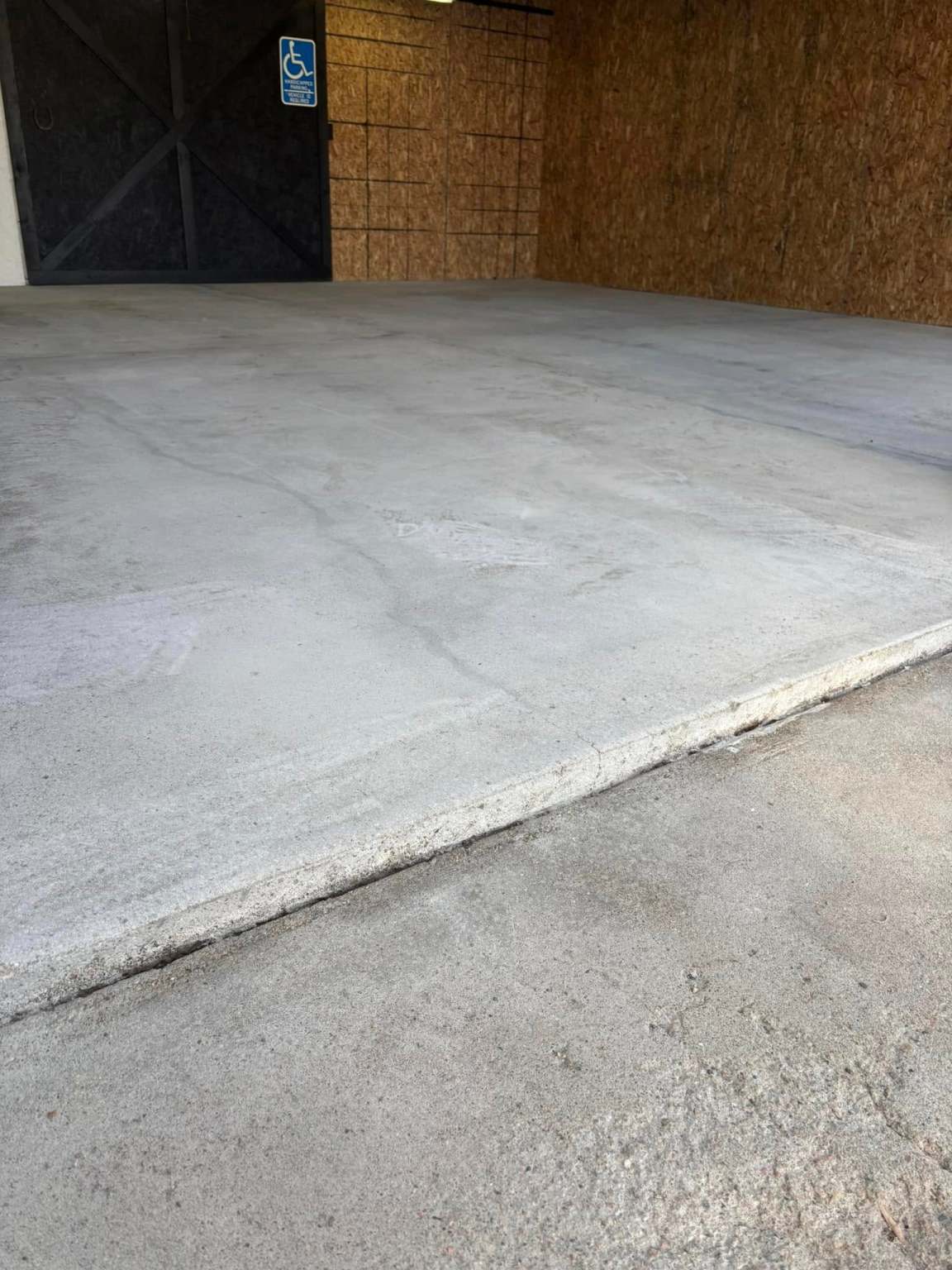
The problem is that the working conditions in a modern commercial building have moved on, and epoxy's weaknesses — brittleness, slow cure, and poor UV stability — show up fastest in exactly the buildings that can least afford a failure.
The three chemistries in plain terms
Epoxy is a rigid, two-part thermoset. It bonds well to properly prepared concrete and resists many chemicals, but it cures slowly and stays hard rather than flexible.
Polyurea is an elastomeric coating. It cures dramatically faster, stays flexible under impact and thermal movement, and has far higher tensile strength. It is typically used as the base layer in a commercial build-up.
Polyaspartic is a slower-reacting subset of polyurea, which makes it workable enough to apply as a topcoat. It is UV stable, so it will not amber the way epoxy does, and it wears extremely well.
Cure time is the difference your operation feels
A traditional epoxy system can require three to five days before heavy traffic returns. For a distribution warehouse, that is four days of rerouted freight. For a restaurant, it is a week of lost covers.
A polyurea base with a polyaspartic topcoat is typically walkable in six to eight hours and back to full service in twenty-four. That single difference usually outweighs the higher material cost.
Free assessment
Not sure which system your facility needs? We will walk the floor, test the slab, and give you an itemized proposal at no cost.
Request a Free QuoteWhere epoxy still makes sense
Epoxy is not obsolete. For thick-build applications, self-leveling repairs over rough slabs, and certain chemical-immersion environments, an epoxy layer is still the right call — often as part of a hybrid build-up with a polyaspartic wear coat on top.
The mistake is not using epoxy. The mistake is using epoxy by default because it is what the crew already has on the truck.
What we specify and why
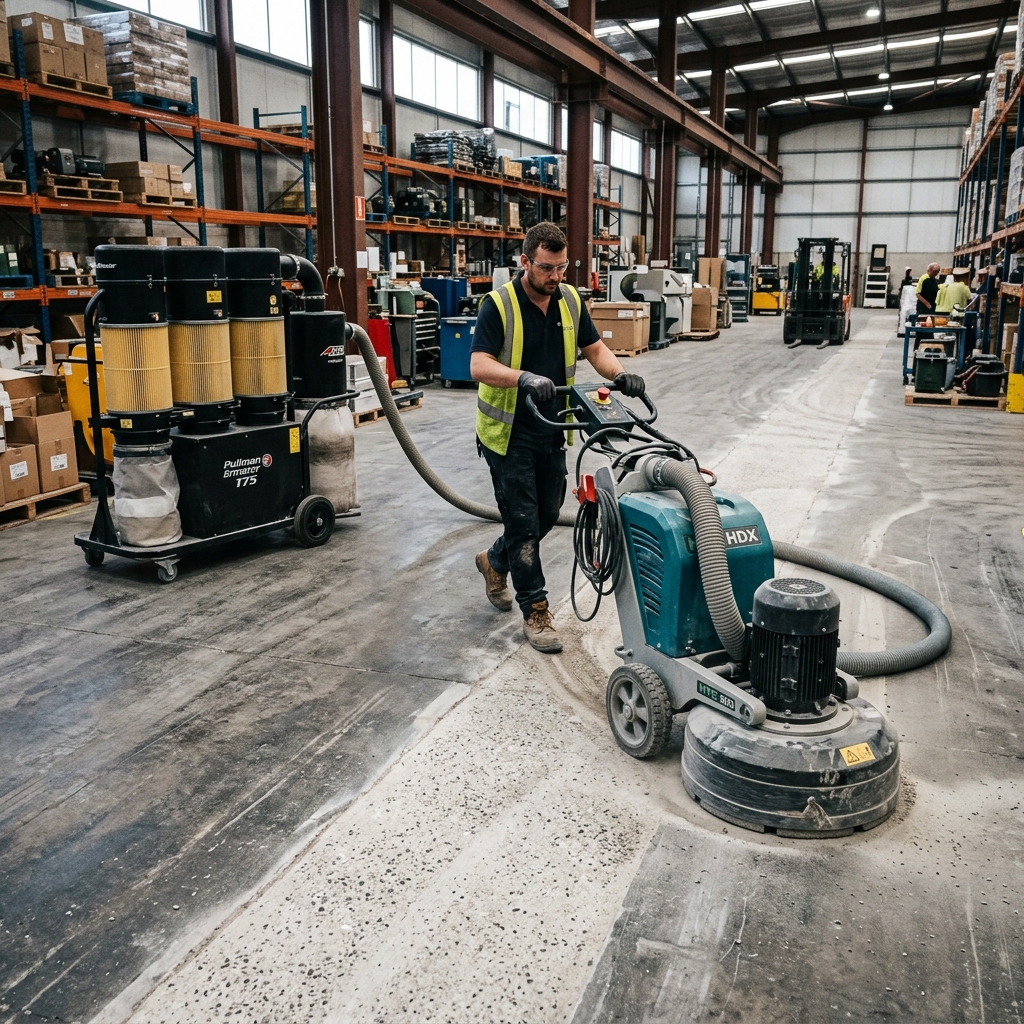
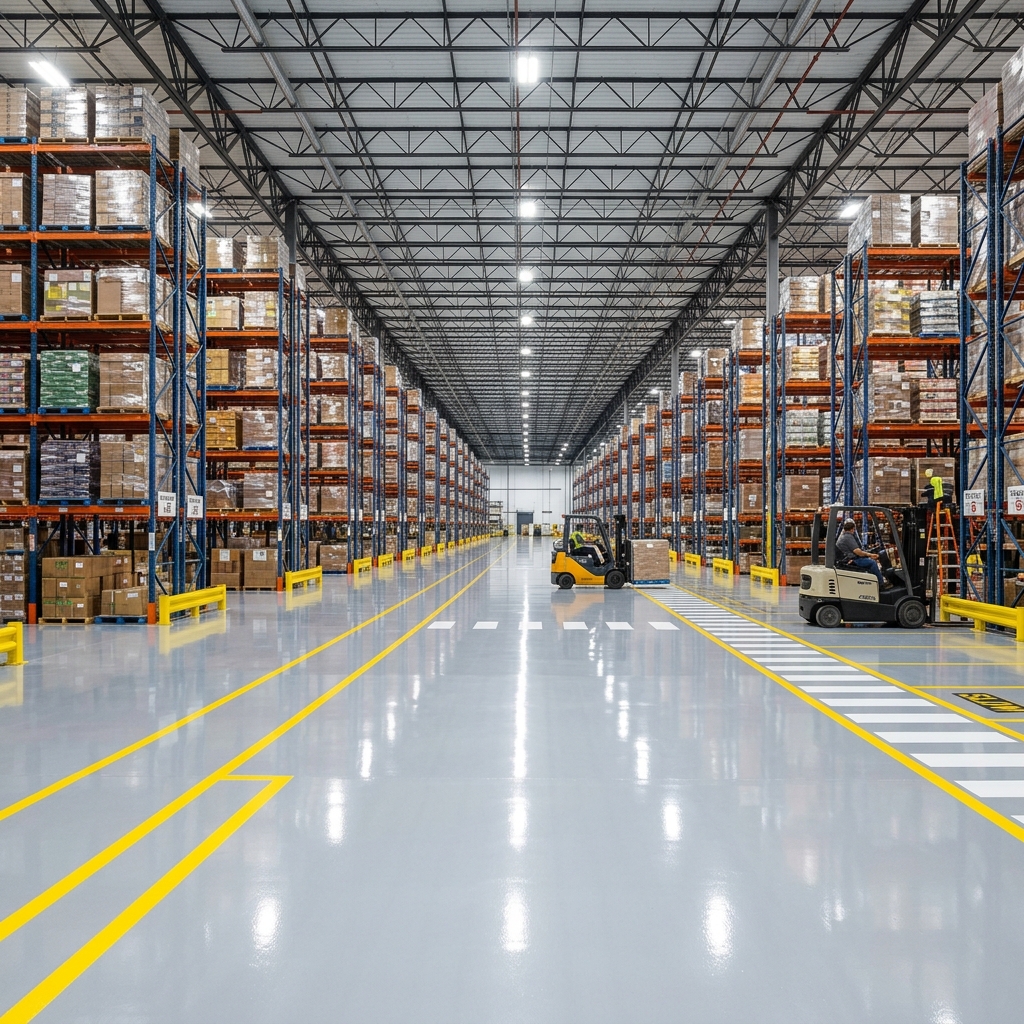
For the vast majority of our commercial work we install a diamond-ground slab, a polyurea base coat, a decorative or broadcast layer where the client wants one, and a polyaspartic topcoat. That combination gives impact tolerance at the bottom, abrasion and UV resistance at the top, and a fast return to service in the middle.
- Polyurea base: roughly four times the tensile strength of standard epoxy
- Polyaspartic topcoat: UV stable, will not yellow under skylights or dock doors
- Combined cure: foot traffic in 6–8 hours, vehicle traffic in 24
- Flexibility: moves with the slab instead of cracking over it